THE GIST OF IT
- Most teens can get a debit card at the age of 13 with a sponsor’s1 help, but some financial institutions might offer debit cards earlier.
- A debit card can give teens hands-on practice budgeting and spending, with the help of parental guidance and built-in safety features.
- Regular conversations about financial responsibility, spending choices, and guidelines help teens develop confidence and responsibility with money.
Benefits and considerations
Whether or not to give your teen a debit card depends on your child’s readiness and your family's approach to financial education. To help you decide if the time is right, here are the benefits and things to consider.
Benefits of getting started early
When your teen has their own debit card, they can practice and strengthen the skills they'll need to manage their finances independently someday.
- It makes money feel real and immediate. When your teen uses a debit card, they can immediately see their balance drop. With this instant feedback, your child starts to understand that the $10 they spend on coffee and snacks after school adds up to $50 in a week, or $200 in a month. These aren't abstract numbers anymore—they're real decisions affecting their real money.
- It provides practical experience. Checking their balance, comparing prices, and saving for something bigger are small habits that build intentional spending skills.
- It offers independence with guardrails. When you choose a debit card with parental controls, your child manages their own money while you see transactions, set limits, and step in when needed.
Things to consider before getting started
But before you sign your child up for their own debit card, there are a few important factors you should consider.
- Some kids struggle with impulse control. Some young people need more time to develop control when it comes to spending. Mistakes like spending their entire allowance on day one are small and recoverable. When made in a relatively controlled environment, they can be valuable lessons on their road to financial maturity.
- Be prepared to talk about online safety. Your child will need to learn about secure online shopping practices, how to recognize and avoid scams, and the importance of protecting their personal and financial information. These lessons become very real once your child has access to a debit card.
- Children’s individual readiness may vary. Consider your child's overall maturity level and their current understanding of basic money concepts. Do they grasp the idea that money is finite? Can they handle responsibility in other areas of their life? Are they interested in learning about money management, or do they see it as just another chore?
At what age can teens get debit cards?
Many banks and financial apps offer debit cards for teens ages 13 to 17 years old, but their parent or guardian is the legal owner of the account. This setup gives parents peace of mind while allowing teens to work toward financial independence.
Is my teen ready for a debit card?
Let's look at some clear signals that can help you decide if it's the right time to introduce a debit card. First, here are positive indicators that suggest your child may be ready:
- They're already managing money. They handle their allowance responsibly, earn money from jobs or tasks, or make their own purchases for things like lunch or outings with friends.
- They show financial interest. They ask questions about money and spending, set goals for things they want to buy, and are curious about saving or budgeting.
- They're hitting key milestones, like starting their first summer job, beginning high school, getting their driver’s license, or making more of their own spending decisions.
How to make sure your teen uses a debit card responsibly
Before you give your teen a debit card, set ground rules before handing over the card. What you focus on is up to you, but we recommend you discuss the following questions.
- What situations is the card for? Is the card meant only for lunch and school supplies? Can they use it for entertainment, like going to the movies or concerts? It’s important to be specific as you work through questions like these to make sure you’re on the same page about when to use the card.
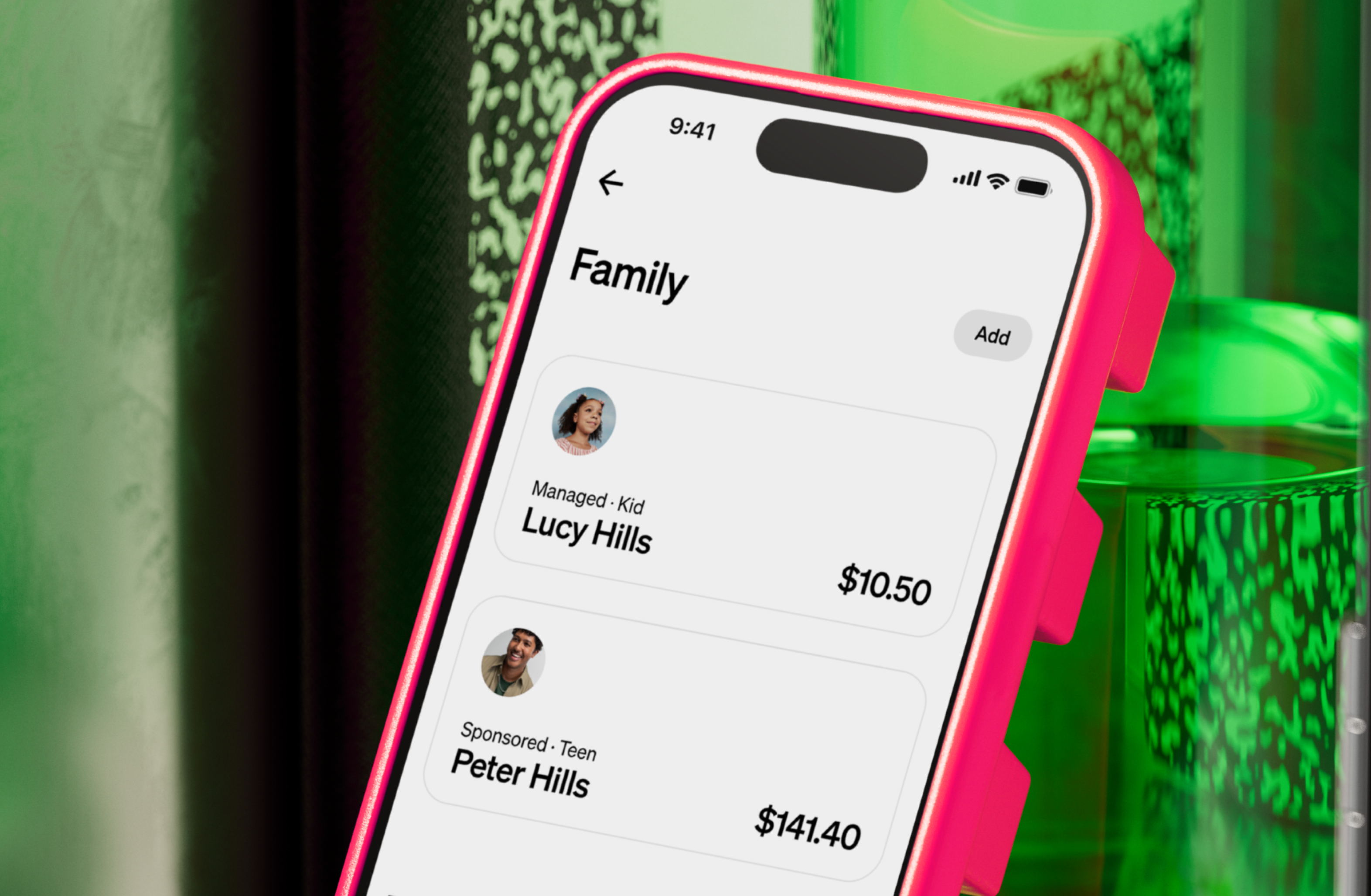
- What purchases need your approval? There may be certain purchases—like junk food, online shopping, or in-app purchases—where you’ll want to have them check in with you first. Another idea is creating a max purchase limit. For example, you might tell your child to check with you first before making any purchases over $50. With Cash App sponsored accounts (an account set up by a parent or guardian for their teen),1 you can set spending limits, and get notifications when they make transactions.
- What are their weekly or monthly spending limits? Sit down together and map out their weekly or monthly income and compare it against their regular expenditures, like food and transit. Once they see how much is available for other expenses, they’ll have an idea of how to work within their budget, or even grow their savings.
Share ways to keep their money safe
Teaching your child good security habits from the very beginning is just as important as teaching them how to budget. With the right foundation, your teen can confidently navigate online and in-person transactions while keeping money secure.
- Start with the basics. It might seem obvious, but these basics are worth emphasizing: Their PIN should never be shared with anyone, not even their best friend. Help them choose a PIN that's memorable to them but not obvious to others (avoid birthdays, addresses, or simple sequences like 1234).
- Keep tabs on their balance. One of the most valuable habits you can instill is checking their balance on a regular basis. This can help them avoid overdraft fees, catch problems like fraud early, and stay on top of their finances. Show them how to quickly check their balance through their banking app or Cash App, and encourage them to make it a routine.
- Become their own first line of defense against fraud. Teach them what suspicious activity looks like, such as charges they don't recognize, purchases from places they've never been, or multiple small transactions they didn't make. Show them how to review their transaction history regularly and emphasize that if something looks wrong, they should tell you immediately—there's no penalty for being cautious.
A smart choice for families: Cash App Card
When you're ready to take the next step in your teen's financial education, a Cash App sponsored account offers the perfect balance of independence and oversight.1 It's designed specifically with families in mind—giving your child the freedom to learn and grow with money while ensuring you stay in control of the aspects that matter most to you as a parent or guardian.
Built for parental peace of mind
As a parent, visibility and control are probably your biggest concerns when it comes to your teen's spending. Cash App's sponsored accounts are designed with exactly these worries in mind.
- Check in on their spending anytime. Check in on their spending whenever you want via your Cash App account. You can talk to them about risky spending habits or lock their card instantly if they lose it or you notice suspicious activity.
- Set spending limits and notifications. Maybe you're comfortable with them spending $50 a week but want to be notified about any single purchase over $25. You can customize these controls to match your family's specific needs and your teen's maturity level.
- Oversee certain activities. Set up an approved list of people your teen can send and receive money from or enable real-time notifications for each transaction your teen makes with Cash App. This creates natural opportunities for financial conversations and ensures they’re building financial independence with your guidance.
Designed to do it all—all while looking great
Cash App Card comes with features your teen will want to use.
- Save at the places they shop. Your teen can add offers for instant discounts at brands they care about.
- Customize their card. They can design their Cash App Card with stamps, emojis, drawings, and other designs that reflect their personality.
- Track, save, and invest.2 Cash App makes it easy for teens to track spending, set savings goals, and start investing with as little as $1.
Always protected
Security is non-negotiable when it comes to your family's financial information. Cash App uses proactive security and 24/7 fraud prevention to help protect your child’s data and money. This means you can focus on teaching your teen good financial habits without worrying about security breaches or fraud.
Get started with Cash App
Introducing your kid to their own debit card is about setting them up for success.
The right moment looks different for every family. What matters is choosing a solution that grows with your child while keeping their money safe.
With Cash App, teens ages 13–17 can start building financial skills with a sponsored account.1 Explore how Cash App and a Cash App Card can help you teach your teen about money, with built-in safety features and controls you can trust.