THE GIST OF IT
- Most paid surveys pay a few cents to a few dollars per completion, rarely enough to compete with an hour of actual work.
- Survey scams follow a predictable bait-hook-sting pattern: a too-good offer, a convincing-looking form, and a request for personal or financial information.
- If you've already shared information in a fake survey, freeze your credit, change your passwords, and report the incident to the FTC.
- No payment app, including Cash App, can recover personal information you've shared with a third-party scam site. For identity theft recovery, start at identitytheft.gov.
How survey scams actually work
Survey scams follow a 3-step pattern.
The bait. An unsolicited text, email, or social media ad promises cash, gift cards, or prizes for completing a short survey. The amounts are specific enough to feel real ($25, $50, $100) and the sender often mimics a company you already use.
The hook. You tap through to a professional-looking survey site. It has logos, progress bars, and a handful of easy questions. The first few questions are generic, asking about shopping habits or app preferences, so nothing stands out yet.
The sting. After the easy questions, the survey asks for personal or financial information to "verify your identity" or "deposit your reward." Your card number, your Social Security number, or your banking login. The company behind the survey, though, doesn't actually exist.
Common types of survey scams
Not all survey scams look the same. Knowing the variations helps you spot them faster.
1. The brand impersonator. Pretends to be a company you already shop with. Uses real logos and brand colors. The giveaway: the URL doesn't match the actual company's website. Check for extra words, hyphens, or a different extension in the URL.
2. The survey-for-payment scam. Promises $100 or more for a short survey, then asks for payment details to "process your earnings" or install an app that harvests your data. If the payout sounds higher than what you'd earn doing actual work, the product being sold is your information.
3. The redirect loop. The first survey leads to a second, which leads to a third. Each one asks for a little more information. By the time you realize there's no reward, you've shared your name, email, phone number, and address across multiple sites.
4. The job offer disguise. Poses as a recruiter or staffing agency looking for "market research participants." The application form is the scam. It collects your resume, SSN, and banking details under the pretense of onboarding.
5. The social media pop-up. Appears while you're browsing Instagram, Facebook, or TikTok. Uses countdown timers ("Only 3 spots left!") to create urgency. A real survey doesn't need a countdown to get you to take it.
Do paid surveys pay enough to be worth it?
Yes, but the numbers are telling. A survey study from NerdWallet found that earnings across popular survey platforms ranged from $0.41 to $2.03 per hour. For context, if you're earning from gig work, freelancing, or even a part-time hourly job, surveys almost never compete with your actual earning rate.
Legitimate survey companies do exist. Sites like Swagbucks, Survey Junkie, and Prolific pay small amounts for market research. They identify themselves clearly, never ask for payment, and use trusted payout methods. Cash App does occasionally run market research and giveaways, but Cash App will never ask for your sign-in code, PIN, or payment to participate. If a "Cash App survey" asks for that information, it's a scam.
How to spot fake surveys
Scammers are good at making fake surveys look real. Here are 10 red flags, roughly in order of how quickly they should end the conversation.
1. The reward sounds too good to be true. Real surveys pay a few cents to a few dollars. If the offer is $50 or more for a short survey, the real product is your data.
2. You didn't sign up for it. Legitimate survey companies ask you to join their panel first. If a survey found you through an unsolicited text, email, or DM, that's a red flag.
3. It asks for sensitive personal information. Your Social Security number, bank details, PIN, or sign-in code. Legitimate surveys collect opinions, not account credentials.
4. You need to pay to participate. Fake surveys often require an upfront purchase or "processing fee." No legitimate survey charges you to take it.
5. It claims to represent a well-known brand. Check the email address and URL against the real company's domain. The branding might look right, but "amazon-survey-rewards.net" isn't Amazon.
6. There's a tight deadline. "Complete this in the next 10 minutes to claim your reward." Real surveys give you days or weeks to respond. Urgency is a pressure tactic.
7. It redirects you to other sites. Legitimate surveys don't chain you through multiple websites before you can answer questions. If you keep getting bounced, close the tab.
8. The sender's email or number looks off. Scammers use addresses that are close to what you'd expect but slightly wrong. Check before you click.
9. The grammar and spelling are rough. Professional market research companies proofread their surveys. Obvious errors are a signal.
10. It includes suspicious links or attachments. Don't click links or download files from sources you haven't verified. Even on a survey website that looks polished.
What should you do if you fell for a survey scam?
Survey scams happen to millions of people. If you shared information you wish you hadn't, here's what to do next.
Stop the survey immediately. If you're mid-survey and something feels off, close it. You don't owe a form your information just because you started it.
Change your passwords. If any accounts are connected to the information you shared, update those passwords and turn on 2-factor authentication (2FA). Prioritize email, banking, and payment apps.
Freeze your credit. Contact all three credit bureaus (Equifax, Experian, TransUnion) and place a free credit freeze. This stops anyone from opening new accounts in your name. It takes minutes and costs nothing.
Monitor your accounts. Check your bank statements and credit reports for anything you don't recognize. If you see unauthorized charges, report them to your bank or card issuer right away.
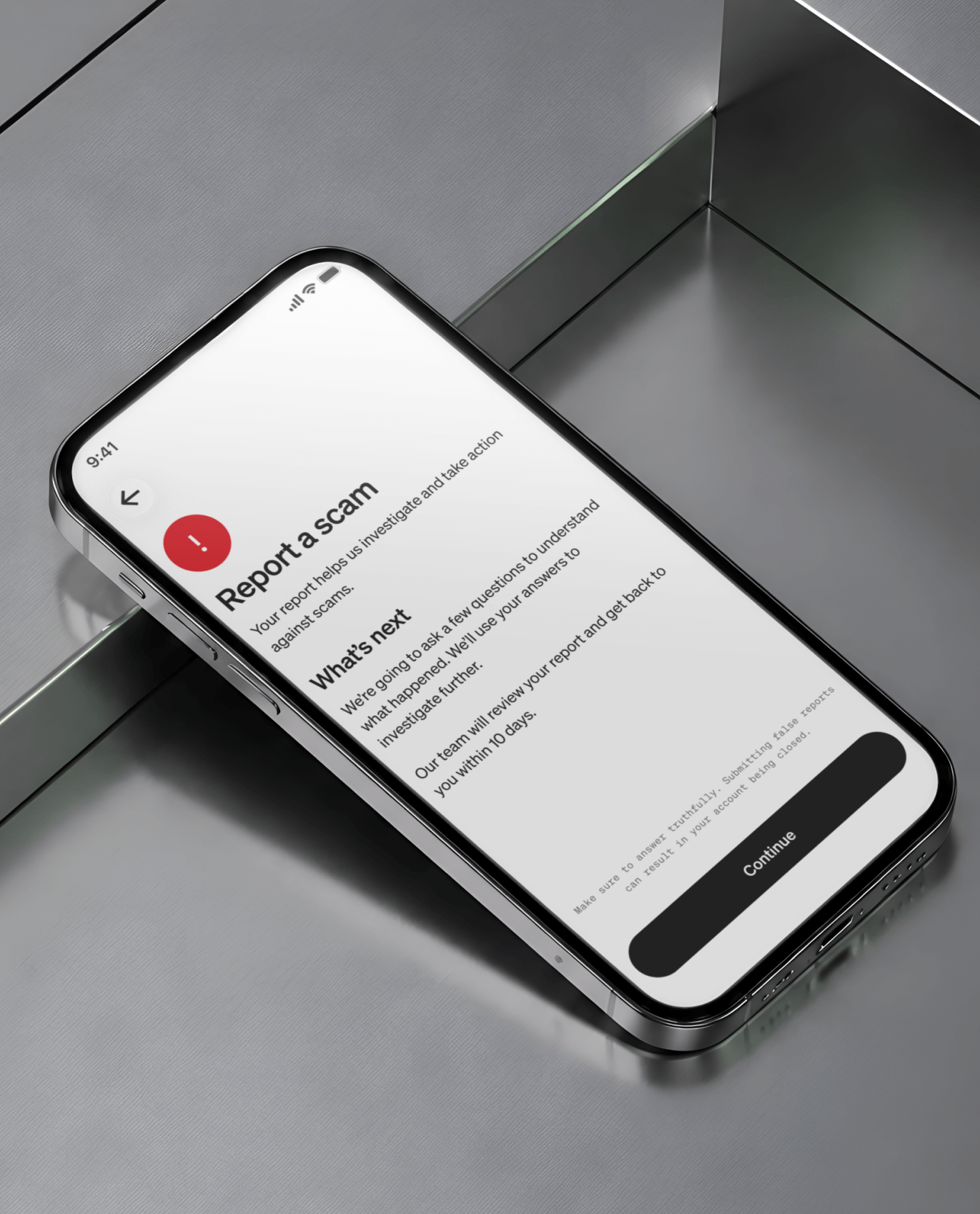
Report the scam. File a complaint with the Federal Trade Commission (FTC). If the survey reached you through social media or email, report it on that platform too.
Report identity theft. If you shared your Social Security number or other identifying information, go to identitytheft.gov. The FTC's identity theft recovery site walks you through a personalized plan to limit the damage.