THE GIST OF IT
- Every cash flip offer is a scam. There is no legitimate version of "send me money and I'll send more back."
- Scammers use a "small-test-first" pattern, sending real money on a small test to build trust before asking for a larger amount.
- P2P payment apps are built for speed, which means completed payments generally can't be reversed by any app.
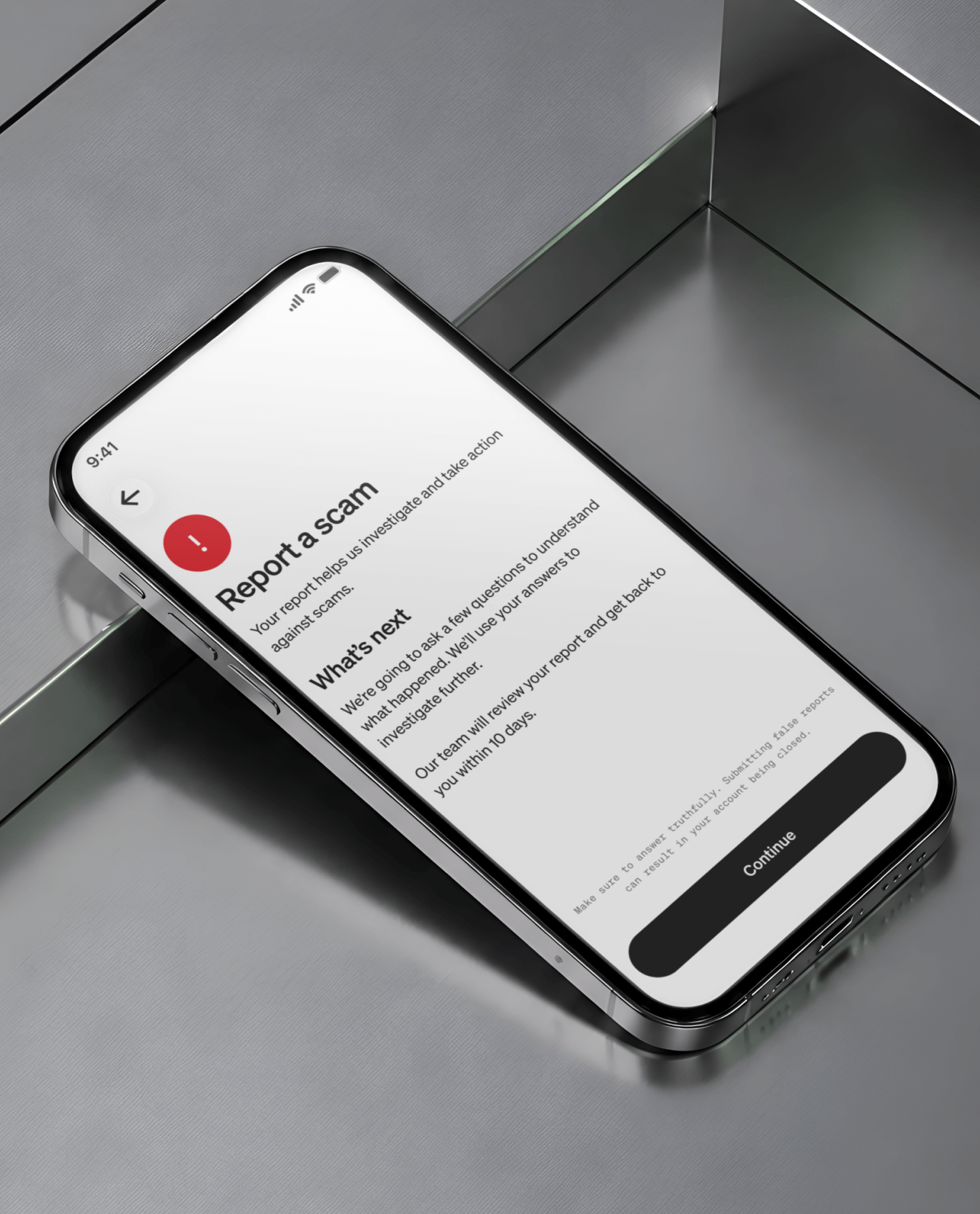
- If you sent money to a cash flip scam, report it in Cash App, file a complaint with the FTC at reportfraud.ftc.gov, and contact your bank.
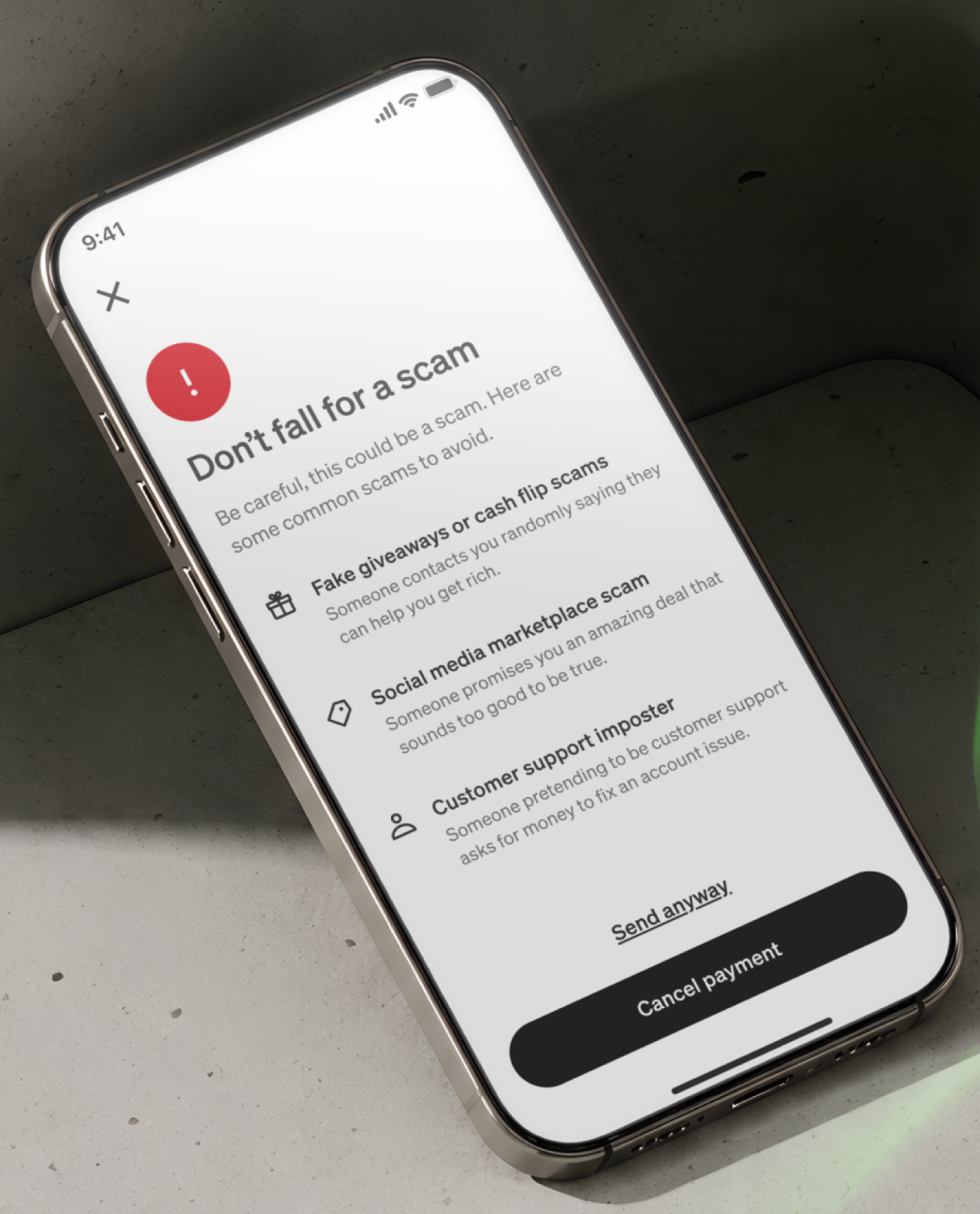
- Turn on Security Lock and payment notifications for an extra beat before any payment goes out.
How cash flip scams actually work
A cash flip scam usually goes something like this: you're scrolling Instagram and a DM pops up from an account you don't follow. The message says something like "I can flip $50 into $500 for you. I do this for people every day." There might be a screenshot of a large Cash balance attached. The screenshot is fake. The offer is the entire scam.
Here's how it plays out, step by step:
- The hook: Scammers find you on Instagram, Facebook groups ("Cash App flips 2026"), through text messages, or in comment sections under financial content. They promise guaranteed returns on a small "investment." The pitch sounds like easy money because it's designed to.
- The buildup: If you respond, the scammer works to seem credible. They share edited screenshots of large balances, fake testimonials, and stories about all the people they've "helped." They speak with confidence because they've done this hundreds of times before.
- The small-test-first: This is the most effective move in their playbook. The scammer asks you to send a small amount, like $10. Then they actually send $20 back. Real money, in your account. Now you trust them. Now they ask for $200, $500, or more.
- The disappearance: Once you send the larger amount, the scammer blocks you and the account goes silent. If that happens, the recovery section below walks through your next steps.
How to spot a cash flip offer
Cash flip scams follow a handful of patterns. Once you know the names, you'll recognize them instantly:
- The guaranteed return: "I'll double your money" or "Turn $100 into $1,000." No legitimate service, app, or person can guarantee returns on a P2P transfer. That's the whole scam.
- The urgency timer: "Only 3 spots left," "Offer expires tonight," "DM me before midnight." Real opportunities don't expire in 30 minutes.
- The screenshot proof: Scammers share edited screenshots of large Cash App balances or transaction histories as "evidence." These take about 90 seconds to fake.
- The small-test-first: They send you real money on a small test to build trust, then ask you to send a much larger amount. This is the most effective pattern because it actually works. You've seen the money show up.
- The stranger ask: Someone you've never done work for offers to send you money, then asks you to send money back. That's not how any legitimate transaction works.
You already filter out spam texts and phony emails. Spotting a cash flip offer is the same instinct, applied to DMs.
What to do if you sent money to a cash flip scam
This happens to a lot of people. Here's what to do:
- Confirm it's a scam: If you sent money to someone who promised to multiply it and they've stopped responding, that's a cash flip scam.
- Report it: If you used Cash App, open the app, find the payment, and select “Report an issue.” Cash App's support team investigates scam reports and may reimburse you. Completed authorized P2P payments are generally difficult to reverse, and reimbursement is not guaranteed. Reporting quickly helps the investigation.
- Save evidence: Screenshot the conversation, transaction receipts, $cashtags, and any messages from the scammer. This helps the investigation.
- File a complaint with the FTC: Go to reportfraud.ftc.gov and file a report. This won't get your money back directly, but it feeds federal enforcement data that helps shut these operations down.
- Contact your bank: If you funded the payment from a linked debit card or bank account, contact your bank directly. They have separate dispute processes that may apply even when the payment app can't reverse the transaction.
- Report and block the scammer: Report their social media accounts and block them everywhere: social media, Cash App, email, phone. This stops them from sending follow-up messages and helps platforms shut down scam accounts.
Key takeaways
If someone you don't know offers to multiply your money through any payment app, it's a scam. No exceptions, no legitimate version.
- Don't send money to someone you've never done work for based on a promise to send more back.
- If you already sent money, report it in Cash App, file with the FTC at reportfraud.ftc.gov, and contact your bank.
- Turn on Security Lock and payment notifications so you have an extra beat before any payment goes out.
- The "small-test-first" pattern — where a scammer sends you real money on a small test before asking for a larger amount, is the most effective trick in their playbook. Knowing it exists puts you ahead of it.
Cash App has built-in tools to help you stay in control. Turn on Security Lock, enable notifications, and learn more about recognizing scams.