THE GIST OF IT
- Stop all contact with the scammer immediately and block them on every platform
- Contact the company you used to send money. The sooner you report, the better the odds of recovering anything
- Change passwords, freeze your credit, and turn on security features like Security Lock on your payment apps
- File a report with the FTC at ReportFraud.ftc.gov, even if you didn't lose money. It helps agencies track scam patterns
- Know your recovery odds: credit card chargebacks have stronger protections than debit cards and payment apps, where completed transactions are usually final
What to do right away if you've been scammed
The immediate response (first hour)
If you just sent money to someone on a marketplace and they've gone silent, or you realize the "customer support" message you responded to was fake, start here.
Stop all communication. Don't respond to any more messages, emails, or calls from the scammer. Block them on the platform where the scam happened and on any social media where they can reach you.
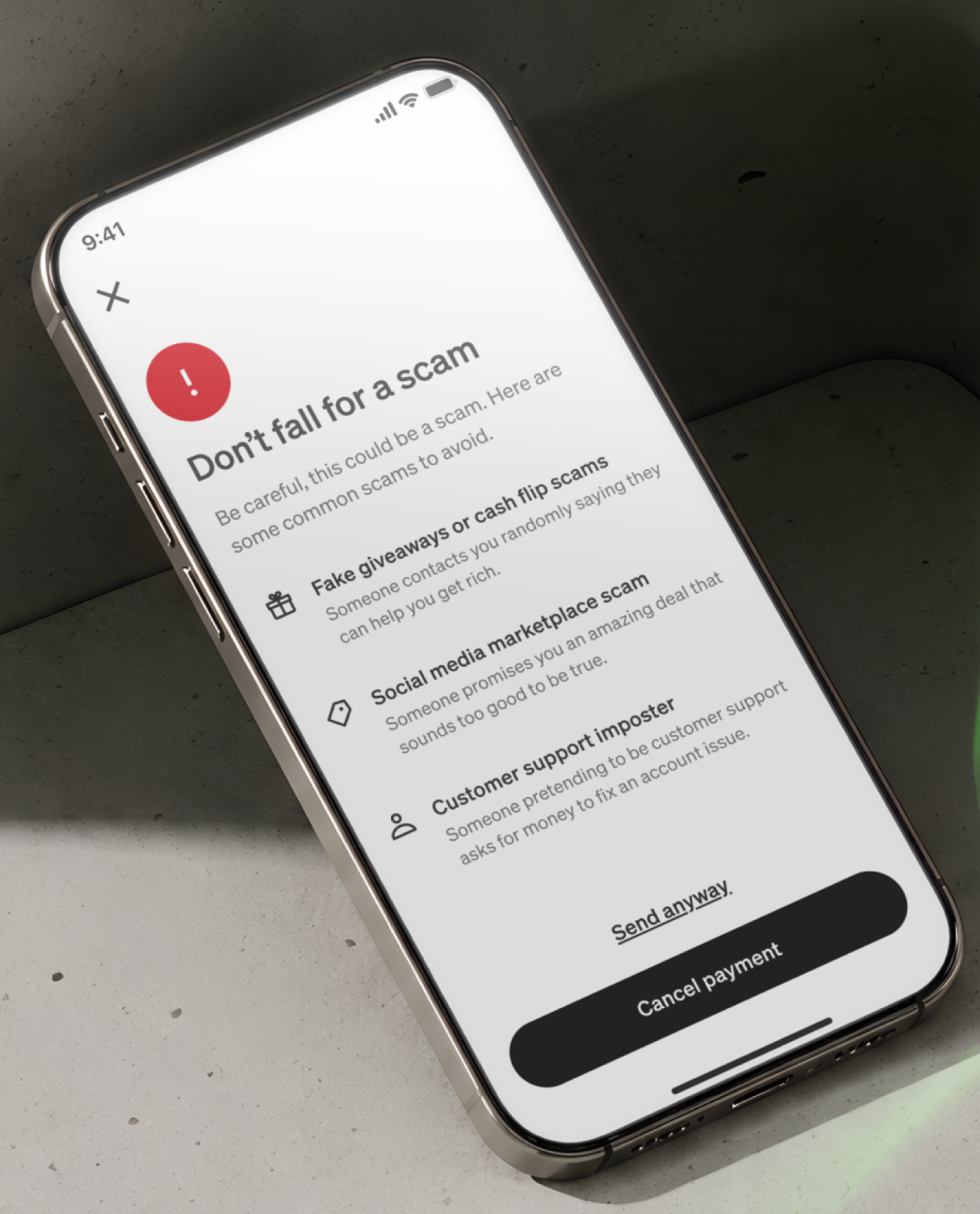
Try to cancel or reverse the payment. If the payment is still pending, you might be able to stop it. Open the app or log into the account you used to send money and look for a cancel option. Some transactions can be reversed if you catch them quickly, but once a P2P payment goes through, it's usually final.
Contact the company you used to send money. Report what happened directly to your bank, credit card company, or payment app. If you sent money through Cash App, go to your profile to report the transaction and reach Cash App Support. Every company has its own dispute process, and starting it quickly is the single most important step for recovery.
The security lockdown (same day)
Once you've dealt with the immediate payment, widen the scope. If someone posing as tech support got remote access to your phone, or if you shared login details with anyone who turned out to be a scammer, this phase matters most.
Change your passwords. Start with the account that was compromised, then update any other accounts that share the same password. Use a unique password for each account. On Cash App, you can set up Security Lock so a passcode, fingerprint, or face scan is required before sending money.
Turn on alerts and check your account settings. Enable notifications for transactions on your bank accounts, credit cards, and payment apps. This way, if someone tries to use your info again, you'll know right away.
Freeze your credit. If you shared personal details like your Social Security number, contact the credit bureaus to put a freeze on your credit. A credit freeze stops anyone from opening new accounts in your name, and it's free to set up and remove.
Update your software. If the scammer had access to your computer or phone, update your operating system and security software and run a full scan.
The paper trail (within 48 hours)
Report to the FTC. Filing at ReportFraud.ftc.gov takes about 10 minutes. Even if you don't get your money back directly from the FTC, these reports feed a database that law enforcement uses to identify scam operations and build cases.
Document everything. Save screenshots of messages, emails, transaction records, and any other evidence. Write down a timeline of what happened while it's fresh: the exact time you received the message, when you sent money, what platform you used. If you're piecing together transactions across multiple apps, open each one and screenshot the receipts before anything changes. This documentation matters if you file a dispute, a police report, or an insurance claim.
Review your accounts. Check your payment apps, bank accounts, and credit cards for any transactions you don't recognize. Report unauthorized charges immediately.
Can you get your money back after being scammed?
It depends on how you paid. Each payment method has its own dispute process and timeline, so the recovery steps are different for each one. Here's how they break down.
Credit cards
Credit cards have the strongest built-in protections. Federal law caps your liability at $50 for unauthorized charges, and most issuers offer zero liability. You can dispute charges and the card company investigates. You typically don't pay for the disputed amount during the investigation. Call the number on the back of your card to start a dispute.
Debit cards
Debit cards pull directly from your checking account, so the money is already gone when a fraudulent charge hits. Federal protections exist, but they depend on timing: report within 2 business days and your liability caps at $50. Wait longer than 60 days and you could be on the hook for the full amount. If your primary payment method is a debit card, speed matters more than almost anything else.
Payment apps
Payments you authorize through apps like Cash App, Venmo, or Zelle are designed to be fast and final. That's what makes them convenient, and also what makes them harder to reverse. If you sent money to someone who turned out to be a scammer, contact the app immediately. Cash App investigates disputes and offers Zero Fraud Liability1 on unauthorized Cash App Card transactions reported within 60 days. For P2P payments you authorized, reimbursement depends on the circumstances. Start the process through the app as soon as possible.
Wire transfers
Contact the wire transfer company immediately. There's a narrow window where they can sometimes freeze or reverse the transfer, but once the recipient picks up the money, recovery is unlikely.
Gift cards
If a scammer asked you to pay with gift cards (a common tactic), contact the gift card issuer. Keep the physical card and the receipt. Some issuers will reimburse the balance if you report quickly, but there's no guarantee.
Cryptocurrency
Crypto transactions are recorded on the blockchain but are generally not reversible. Report the scam to the platform you used and file a complaint with the FBI's IC3. Recovery is rare, but reporting helps investigators track patterns.
Cash sent by mail
If you mailed cash, contact the U.S. Postal Inspection Service. Recovery is unlikely, but the report contributes to fraud investigations.
How to report a scam
Even if you didn't lose money, reporting helps agencies track patterns and shut scams down. Here's where to go.
- Federal Trade Commission (FTC): Report the scam online or call 877-FTC-HELP. This is the first stop for most scams.
- The app or service you used to pay: Contact your payment app, bank, or credit card company directly to report the transaction and start a dispute.
- FBI: For internet-related scams, file a complaint online with the FBI through the Internet Crime Complaint Center (IC3).
- Local police: File a report with your local law enforcement agency. Some insurance claims and dispute processes require a police report.
- State attorney general: File a complaint with your state attorney general's office.
- SEC: For investment-related scams, report to the SEC or call 800-SEC-0330.
- Gift card issuer: If you paid with gift cards, contact the issuing company. They typically need the card and receipt.
- Credit bureaus: Place a fraud alert with one of the three credit bureaus: Equifax, Experian, or TransUnion. When you place an alert with one, they notify the other two.
How to spot and avoid scams going forward
Scammers design their approaches to look urgent: a fake deadline or a too-good-to-be-true offer that's hard to distinguish from a real one. Knowing how scams work makes them easier to see through.
Fake payment confirmations. A buyer on a marketplace sends a screenshot showing a payment that looks real, but the money never actually arrived. If you're selling on the side and counting on that payment for the week's expenses, the instinct is to ship fast. Confirm the payment in the app itself first, not from a screenshot or email.
Money flip promises. Someone on social media claims they can turn $100 into $1,000. There's no mechanism for this. It's a scam every time.
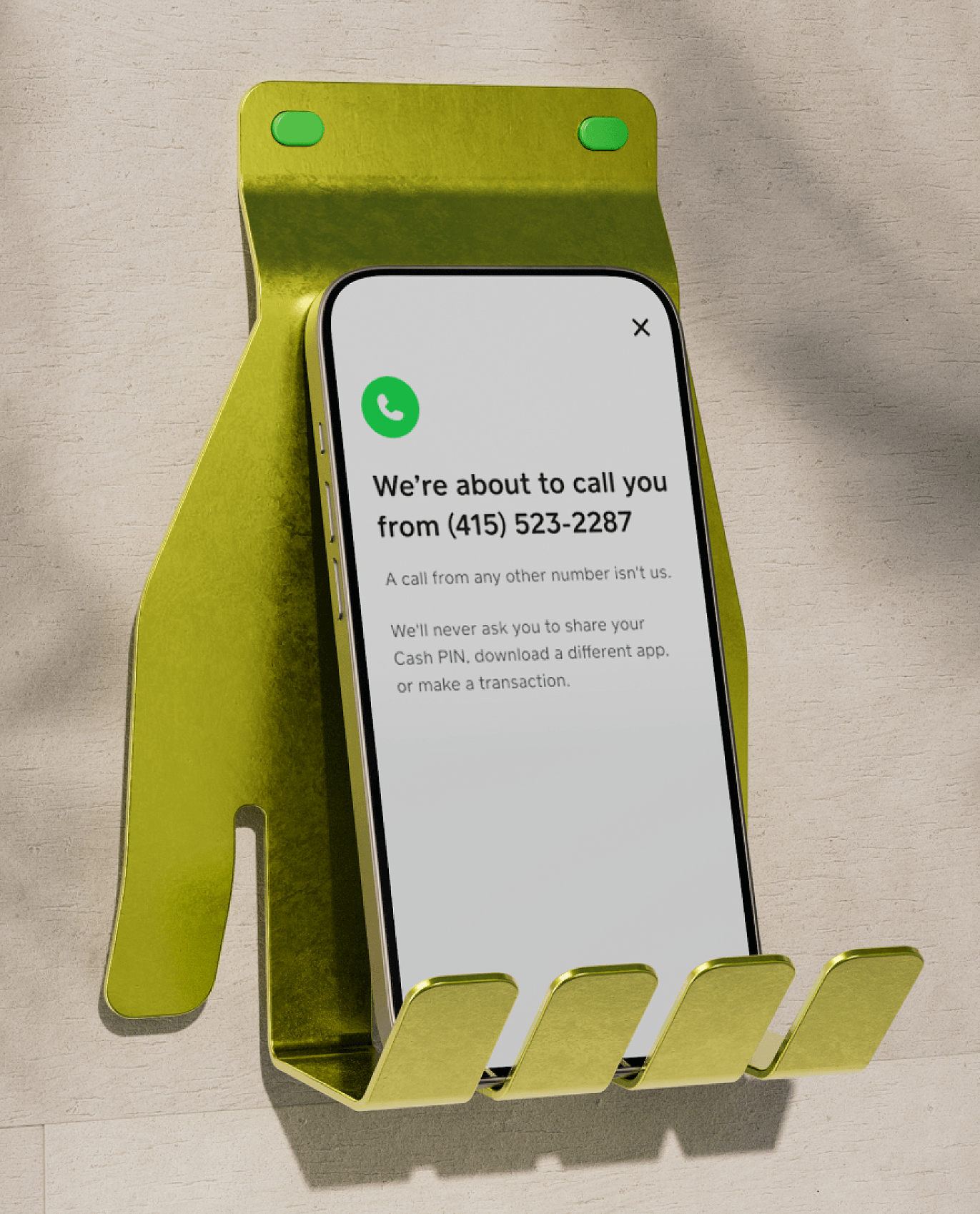
"Customer support" messages. Scammers pose as support reps from payment apps, banks, or tech companies. They ask for your sign-in code, password, or personal info. Real support teams don't ask for these things through DMs, texts, or unsolicited calls.
Overpayment scams. Someone "accidentally" sends you more than the agreed price and asks you to send back the difference. The original payment bounces, and you've lost the money you sent back.
Urgency and pressure. Scammers want you to act before you think. Any message that says you need to pay right now, verify your account immediately, or lose access to something is worth pausing on.
Before any money moves, verify the person and the platform. If the request doesn't make sense, pause before sending anything. Cash App has a full breakdown of common scam types and how to recognize them. Read more about how to outsmart scams.